
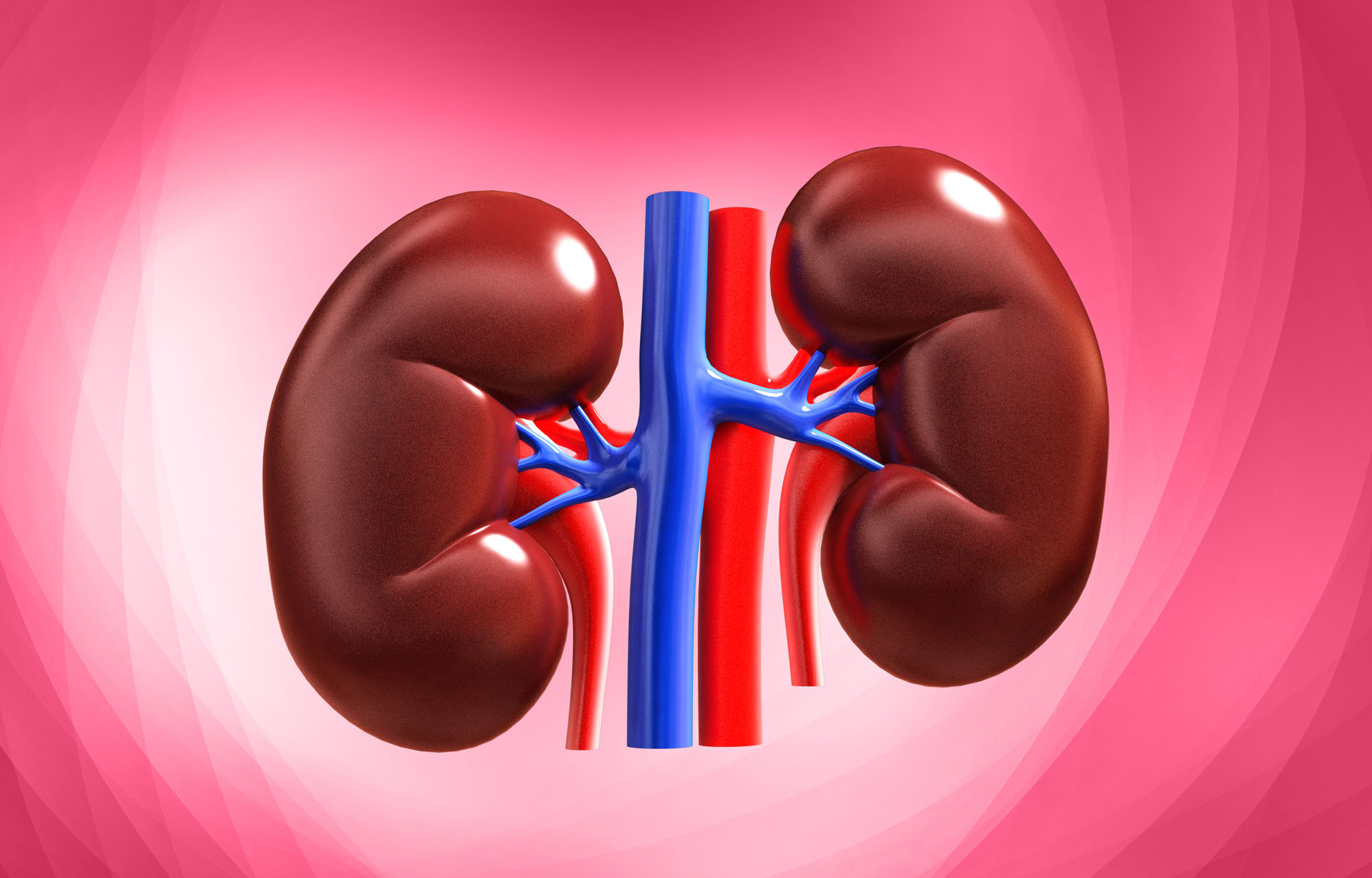
Kidney stones are a common medical condition that affects many people worldwide. They are hard mineral deposits that form inside the kidneys and can cause severe pain and discomfort. In this article, we will explore the causes of kidney stones and how to prevent them from occurring.
The most common cause of kidney stones is a lack of water in the body. When the body is dehydrated, it produces less urine, which makes it easier for mineral deposits to form in the kidneys. To prevent this, it is important to drink plenty of water throughout the day. Experts recommend drinking at least eight glasses of water daily to keep the body hydrated and reduce the risk of kidney stones.
Another cause of kidney stones is a diet high in salt and animal protein. Consuming too much salt can cause the body to retain water, which can lead to dehydration and the formation of kidney stones. Animal protein, on the other hand, contains purines, which are broken down into uric acid in the body. When uric acid levels in the body are too high, it can lead to the formation of uric acid stones in the kidneys. To prevent this, it is important to maintain a balanced diet that includes plenty of fruits and vegetables and limit the intake of salt and animal protein.
Obesity and a sedentary lifestyle are also risk factors for kidney stones. Being overweight can cause the body to produce more insulin, which can lead to the formation of calcium stones in the kidneys. A sedentary lifestyle, on the other hand, can lead to the accumulation of calcium and other minerals in the kidneys, which can increase the risk of kidney stone formation. To prevent this, it is important to maintain a healthy weight and engage in regular physical activity.
Certain medical conditions can also increase the risk of kidney stones. For example, people with a history of kidney stones, gout, and urinary tract infections are more likely to develop kidney stones. Other medical conditions that can increase the risk of kidney stones include hyperparathyroidism, Crohn’s disease, and renal tubular acidosis. If you have any of these conditions, it is important to work closely with your healthcare provider to manage them and reduce the risk of kidney stones.
In addition to these risk factors, certain medications can also increase the risk of kidney stones. For example, diuretics, calcium-based antacids, and certain antibiotics can increase the levels of calcium and other minerals in the urine, which can lead to the formation of kidney stones. If you are taking any of these medications, it is important to talk to your healthcare provider about the risks and benefits and to follow their recommendations for managing your condition.
In summary, kidney stones can be a painful and uncomfortable condition, but they can be prevented through lifestyle changes and proper medical care. By drinking plenty of water, maintaining a balanced diet, engaging in regular physical activity, managing medical conditions, and following healthcare provider recommendations for medications, you can reduce the risk of kidney stone formation and maintain good kidney health.


 SIMCEL ONLINE
Leave a Reply