
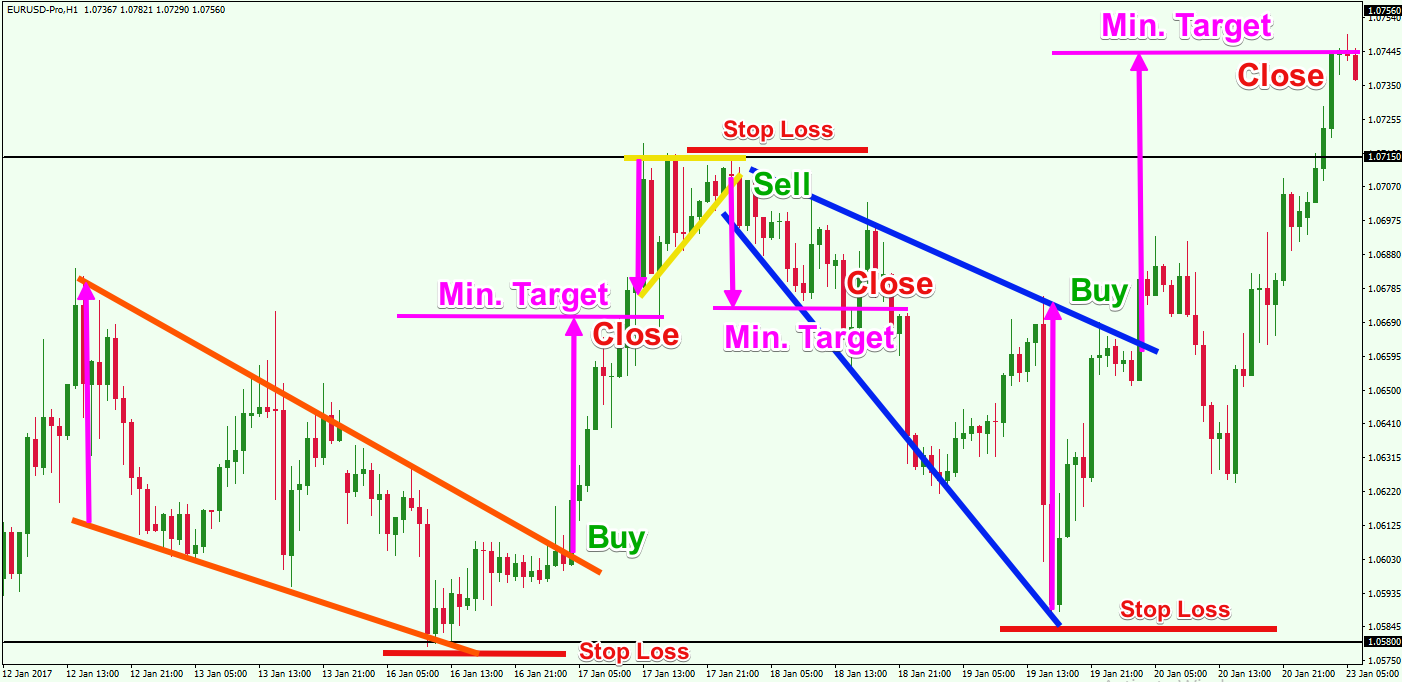
Forex trading is the process of buying and selling currencies in the foreign exchange market to make a profit. As with any type of trading, having a strategy is crucial to success. In this blog post, we’ll explore some of the most common forex trading strategies used by traders.
1. Scalping
Scalping is a trading strategy that involves making small profits on small price changes. Scalpers typically hold positions for a few seconds to a few minutes, and they aim to make multiple trades throughout the day. Scalping requires quickdecision-making skills and the ability to react to market changes rapidly.
2. Day Trading
Day trading is a trading strategy that involves opening and closing positions within the same trading day. Day traders typically use technical analysis to identify short-term trading opportunities and aim to make multiple trades throughout the day. Day trading requires a lot of time, focus, and discipline, as traders need to monitor the market continuously and are prepared to react to sudden price movements.
3. Swing Trading
Swing trading is a trading strategy that involves holding positions for several days to several weeks. Swing traders typically use technical analysis to identify trading opportunities and aim to capture larger price movements. Swing trading requires patience and discipline, as traders need to wait for the right trading opportunities to present themselves and be prepared to hold positions for extended periods.
4. Position Trading
Position trading is a trading strategy that involves holding positions for several weeks to several months. Position traders typically use fundamental analysis to identify long-term trends in the market and aim to capture large price movements. Position trading requires a significant amount of research and analysis, as traders need to stay up-to-date with economic and political events that could impact currency prices.
5. Automated Trading
Automated trading is a trading strategy that involves using computer programs to make trading decisions. These programs are designed to identify trading opportunities based on pre-programmed criteria and execute trades accordingly. Automated trading can be beneficial for traders who want to remove the emotional aspect of trading and take advantage of market opportunities, but it requires a certain level of technical expertise to set up and operate the software.
Conclusion
There are many forex trading strategies available, and each trader should choose the one that best suits their personality, risk tolerance, and trading goals. It is essential to thoroughly research and understand the benefits and drawbacks of each strategy before implementing it in a trading plan. As with any type of trading, having a well-defined strategy and risk management plan is crucial to success in the foreign exchange market.
Are you ready to take ACTION and learn the strategies and techniques for profitable forex trading? This ebook will provide you with the ultimate guide to help you become a successful forex trader.


 SIMCEL ONLINE
Leave a Reply