
Understanding leverage and margin requirements are crucial for anyone who wants to trade in the foreign exchange market. In this blog post, we’ll explore what leverage and margin are, how they work, and what traders need to know to use them effectively.
What is Leverage?
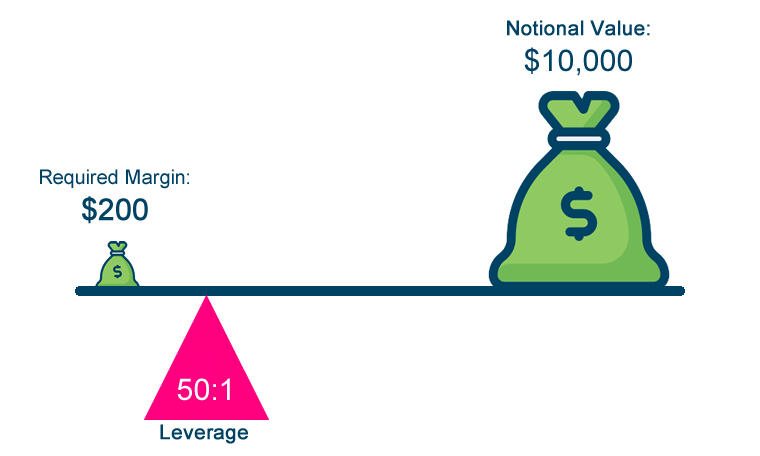
Leverage is a tool that allows traders to control a larger position than their account balance would normally allow. In forex trading, leverage is usually expressed as a ratio. For example, a leverage ratio of 100:1 means that a trader can control a position worth $100,000 with a deposit of $1,000.
Leverage can increase the profit potential but also increases the potential for loss. Traders should use leverage with caution and be aware of the risks.
What are Margin Requirements?
Margin is the amount of money that a trader must deposit to open and maintain a leveraged position. Margin requirements vary by broker, but they are usually expressed as a percentage of the position size. For example, if the margin requirement for a position is 1%, a trader would need to deposit $1,000 to open a position worth $100,000.
Margin requirements help to ensure that traders have enough funds to cover potential losses, but they also restrict the amount of leverage that can be used.
How Leverage and Margin Work Together
Leverage and margin work together to allow traders to control larger positions than their account balance would normally allow. For example, if a trader has a leverage ratio of 100:1, they can control a position worth $100,000 with a deposit of $1,000. If the margin requirement for the position is 1%, the trader would need to deposit $1,000 to open the position.
If the market moves in the trader’s favor, the profit will be magnified by the leverage. However, if the market moves against the trader, the loss will also be magnified by the leverage.
How to Use Leverage and Margin Effectively
To use leverage and margin effectively, traders should:
- Understand the risks involved in using leverage and margin and trade with caution.
- Use leverage and margin only when necessary and appropriate for the trading strategy.
- Use stop-loss orders to limit potential losses.
- Regularly monitor positions and adjust stop-loss orders and margin requirements as necessary.
Conclusion
Leverage and margin are important tools for forex traders, but they come with risks. Traders should understand how leverage and margin work, be aware of the risks involved, and use them only when necessary and appropriate for their trading strategy. By using stop-loss orders and regularly monitoring positions, traders can minimize risk and maximize potential profits. It’s important to remember that using leverage and margin effectively is just one part of a comprehensive trading plan, and traders should also focus on developing a solid risk management strategy and consistently sticking to their plan.
Are you ready to take ACTION and learn the strategies and techniques for profitable forex trading? This ebook will provide you with the ultimate guide to help you become a successful forex trader.


 SIMCEL ONLINE
Leave a Reply