
Trading in the financial markets can take different forms, and three common styles are scalping, day trading, and swing trading. Each of these trading styles has its unique characteristics, advantages, and risks. In this blog, we will discuss scalping, day trading, and swing trading, their similarities and differences, and how they work.
Scalping
Scalping is a high-frequency trading style that involves making multiple trades to make a small profit from each trade. Scalpers typically hold their trades for a few seconds to a few minutes and close their positions once they have made a small profit. They rely on tight bid-ask spreads and fast execution to make their trades.
Scalping requires a lot of focus and discipline, as traders must be quick to react to changes in the market. Scalpers often use technical analysis to identify short-term trends and patterns in the market. Scalping can be very profitable for experienced traders, but it can also be very risky for beginners.
Day Trading
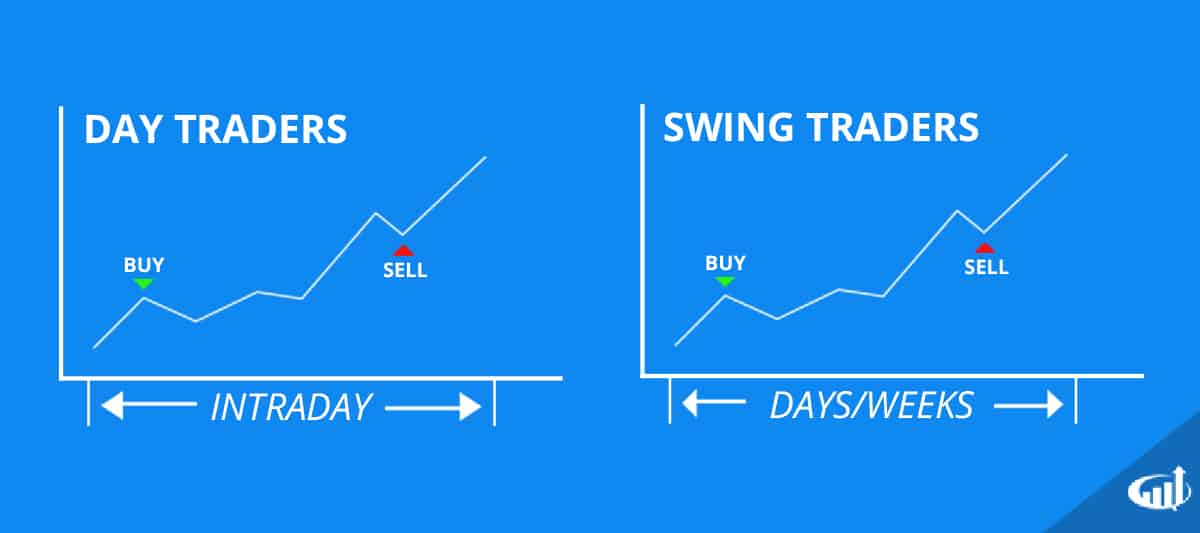
Day trading is a style of trading where traders buy and sell financial instruments within the same trading day. Day traders aim to make a profit from short-term price movements, usually using technical analysis to identify trading opportunities. They typically close their positions at the end of the day, regardless of whether they have made a profit or a loss.
Day trading requires a lot of focus, discipline, and knowledge of the market. Day traders must be able to identify trading opportunities quickly and execute trades with precision. They must also manage their risk carefully and have a solid trading plan in place.
Swing Trading
Swing trading is a trading style that involves holding positions for several days to several weeks. Swing traders aim to profit from medium-term price movements, usually using technical analysis to identify trading opportunities. They often hold their positions overnight, and they use stop-loss orders to manage their risk.
Swing trading requires patience and discipline, as traders must be able to wait for their trades to play out over several days or weeks. Swing traders must also be able to manage their risk carefully and have a solid trading plan in place.
Similarities and Differences
Scalping, day trading, and swing trading are all active trading styles that require a lot of focus, discipline, and knowledge of the market. They all use technical analysis to identify trading opportunities and manage risk.
The main differences between these trading styles are the duration of the trades and the profit targets. Scalping involves making multiple trades to make a small profit from each trade. Day trading involves buying and selling financial instruments within the same trading day, while swing trading involves holding positions for several days to several weeks.
Scalping and day trading are both high-frequency trading styles that require traders to be quick to react to changes in the market. Swing trading, on the other hand, is a more patient trading style that requires traders to wait for their trades to play out over several days or weeks.
Conclusion
Scalping, day trading, and swing trading are three common trading styles used by traders in financial markets. Each trading style has its unique characteristics, advantages, and risks. Traders must carefully consider their goals, risk tolerance, and trading style before deciding which trading style is right for them. Successful trading requires a solid trading plan, discipline, and a deep understanding of the markets.
Are you ready to take ACTION and learn the strategies and techniques for profitable forex trading? This ebook will provide you with the ultimate guide to help you become a successful forex trader.


 SIMCEL ONLINE
Leave a Reply