
Forex trading can be a highly lucrative endeavor, but it is also fraught with risks. As such, risk management is a crucial aspect of forex trading that all traders should master. In this blog, we will discuss the importance of risk management in forex trading and some key risk management techniques.
Why is Risk Management Important in Forex Trading?
Forex trading involves significant risks, including the risk of losing your entire investment. As such, managing these risks is critical to preserving your capital and maximizing your profits. Effective risk management can help you minimize losses and maximize gains, while also ensuring that you can continue to trade in the long run.
Key Risk Management Techniques in Forex Trading
- Position Sizing: Position sizing involves determining the appropriate amount of capital to risk on each trade. This helps ensure that losses are limited and that your trading capital is preserved in the event of a losing streak. As a general rule, traders should not risk more than 2% of their capital on any single trade.
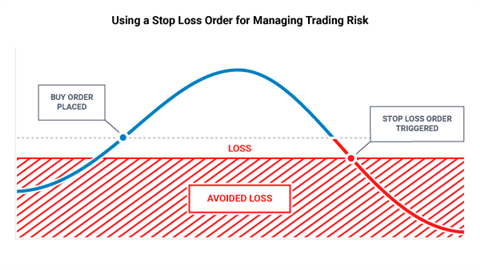
- Stop Losses: A stop loss is an order to close a trade at a predetermined price level. Stop losses help limit losses by automatically closing out a trade if it goes against you. It is essential to set stop losses at appropriate levels to prevent large losses from occurring.
- Hedging: Hedging involves taking opposite positions in correlated markets to reduce the overall risk of a portfolio. For example, if you are long on the EUR/USD, you could take a short position in the USD/CHF to hedge your exposure to the USD.
- Diversification: Diversification involves spreading your capital across different assets and markets to reduce the overall risk of your portfolio. This can help offset losses in one market with gains in another, reducing the overall impact of any one trade.
- Risk/Reward Ratio: The risk/reward ratio is the ratio of the potential profit of a trade to the potential loss. Traders should always look for trades with a favorable risk/reward ratio to ensure that losses are limited and that profits can be maximized.
- Emotional Control: Emotional control is a critical aspect of risk management in forex trading. Traders must be able to control their emotions and stick to their trading plan, even in the face of significant losses. This requires discipline and a cool head, but it is essential to successful forex trading.
Conclusion
Effective risk management is a critical aspect of forex trading that all traders should master. By implementing key risk management techniques such as position sizing, stop losses, hedging, diversification, and emotional control, traders can minimize losses and maximize gains while preserving their trading capital in the long run. By managing risks effectively, traders can achieve success in the forex markets.
Are you ready to take ACTION and learn the strategies and techniques for profitable forex trading? This ebook will provide you with the ultimate guide to help you become a successful forex trader.


 SIMCEL ONLINE
Leave a Reply