
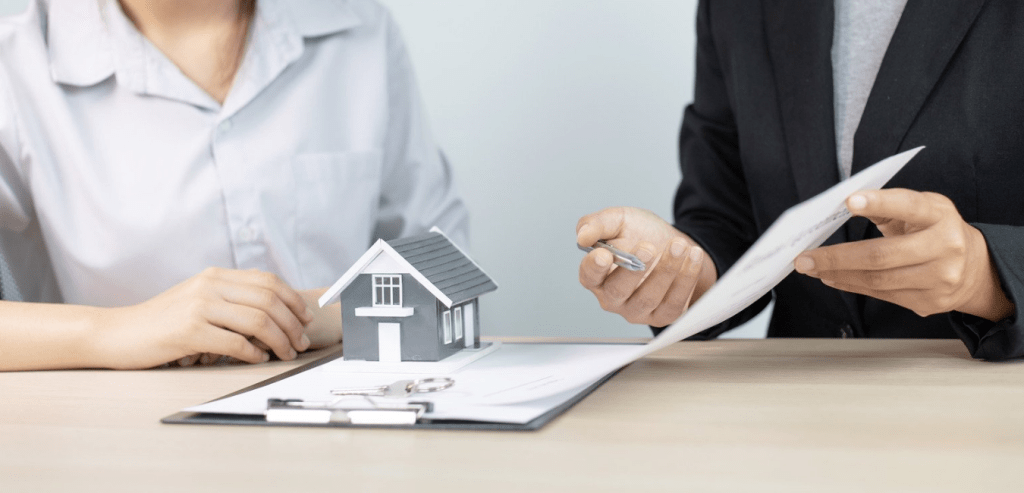
Job descriptions for real estate agents usually require a high school diploma, various social skills, and state approval.
Training
Most real estate agents acquire their basic knowledge through courses that they must take before they are approved. They are also trained on the job and master everything from real estate ads and screens to contract negotiations and drafting documents.
Education
Real estate agents often require a high school diploma or equivalent. But ambitious real estate agents who later aim for an administrative position in their professional life often also earn an assistant or bachelor’s degree. Many real estate agents have degrees in business, economics, or finance. These specializations help aspiring professionals learn the basics of business and sales.
Certificate
To work in the real estate industry, commercial agents must meet certain requirements to be approved. Each state oversees its licensing procedures, so prospective agents must review their licensing requirements before applying. Most states require real estate agents to complete a basic real estate licensing course that includes basic real estate transactions and business documents. After completing the courses, potential brokers can take the license exam and apply for a real estate license. Because real estate licenses are typically not transferred over state lines, brokers may need to acquire multiple licenses when coordinating sales and purchases across multiple locations.
Skills
To be successful in this area, real estate agents need the following skills:
Organizational skills
Brokers often work with several clients at the same time and can sell, buy and rent at the same time. You need advanced organizational skills to keep schedules and remember details. To be more organized, take a few minutes each morning to review and approve your to-do list.
Ability to communicate with people
Brokers need to know how to communicate with clients in order to build networks, assess the needs of buyers and sellers, and propose solutions. Try to practice active listening, empathy, and both oral and written communication skills to develop your interpersonal skills.
Negotiation skills
Real estate agents need good negotiating skills to help clients close profitable transactions and acceptable contracts. To improve your negotiation skills, you can practice comparing the pros and cons of each side by considering the other side’s perspective and identifying possible tradeoffs.
Problem-solving skills.
From finding ideal properties to finding buyers and tenants to collective agreements, real estate agents often solve problems. Try to use logic games or think about possible solutions and their consequences to practice your problem-solving skills.
Sales expert
Brokers must be able to sell successfully when dealing with buyers, sellers, or tenants. You can practice persuasion and perseverance to improve yourself in this area.
- Tecno Camon 50: A Powerful Budget Smartphone Built for Style and PhotographyIn a world where smartphones are becoming more expensive, Tecno continues to dominate the affordable market with devices that deliver serious value. The Tecno Camon 50 is no exception — it combines sleek design, strong camera performance, and reliable battery life, making it a smart choice for students, young professionals, and everyday users. If you’re… Read more: Tecno Camon 50: A Powerful Budget Smartphone Built for Style and Photography
- AFCON Shocker: Morocco Crowned Champions After CAF Overturns Final ResultIn a stunning twist that has sent shockwaves across African football, Morocco has officially been declared winners of the Africa Cup of Nations (AFCON) after the Confederation of African Football (CAF) overturned the final match result. Originally contested between two football giants—Morocco and Senegal—the final has now taken a controversial turn. CAF has ruled that… Read more: AFCON Shocker: Morocco Crowned Champions After CAF Overturns Final Result
- Samsung Galaxy A17 Review (2026): Is It Worth Buying?Before spending your money, you want one thing:An honest review. No hype. No exaggeration. Just the truth. So let’s break down the Samsung Galaxy A17 and answer the real question: Is it worth buying in Ghana in 2026? 📱 Quick Overview The Galaxy A17 sits in the affordable mid-range category. It’s designed for: It’s not… Read more: Samsung Galaxy A17 Review (2026): Is It Worth Buying?
- Samsung Galaxy A17 Full Specifications and Features (2026 Detailed Guide)If you’re searching for the full specifications of the Samsung Galaxy A17, you’re not alone. Before buying any phone in Ghana, smart buyers want to know: Let’s break down the Samsung Galaxy A17 in detail — no hype, just practical information. 📱 1. Display Size & Screen Quality One of the first things you’ll notice… Read more: Samsung Galaxy A17 Full Specifications and Features (2026 Detailed Guide)
- Samsung Galaxy A17 Price in Ghana (2026 Update)When it comes to buying a smartphone in Ghana, one thing is clear: price comes first. Before specs.Before camera quality.Before battery life. So let’s get straight to what you really want to know about the Samsung Galaxy A17. 📱 Samsung Galaxy A17 Price in Ghana (2026) As of 2026, the Samsung Galaxy A17 price in… Read more: Samsung Galaxy A17 Price in Ghana (2026 Update)
- Storage Cleanup Without Regret: What to Delete, Offload, or Back Up FirstYour phone says, “Storage Almost Full.” Apps stop updating. The camera refuses to take photos. WhatsApp won’t download media. Before you start randomly deleting things (and later regret losing important files), slow down. Clean smart — not emotional. Storage discipline isn’t optional. It’s productivity. Let’s break this down step-by-step. Step 1: Back Up What Truly… Read more: Storage Cleanup Without Regret: What to Delete, Offload, or Back Up First
- Your Phone Feels Slow: The 5 Root Causes and the Safest FixesLet’s be honest. When your phone starts freezing, hanging, or taking forever to open apps, it’s frustrating. Especially if you rely on it daily for business, social media, banking, or school work. Before you rush to buy a new device (and spend money you don’t need to spend), let’s break this down properly. Here are… Read more: Your Phone Feels Slow: The 5 Root Causes and the Safest Fixes
- Privacy Settings That Actually Matter on Your PhonePermissions, Location, and Ad IDs – Explained in Plain English Most people spend over 4–6 hours a day on their phones. But here’s the uncomfortable truth:Your phone knows more about you than some of your closest friends. The good news? You have control. The bad news? Most people never touch their privacy settings. Let’s break… Read more: Privacy Settings That Actually Matter on Your Phone
- Stolen Phone Survival Guide: What to Do in the First 10 Minutes to Secure Your AccountsYour phone isn’t just a device. It’s your bank, your email hub, your social media identity, your business office. When a phone gets stolen, panic is normal. But panic won’t protect your accounts. Action will. Here’s your 10-minute emergency playbook. Minute 0–1: Lock the Phone Remotely (Immediately) If your phone is stolen, do NOT waste… Read more: Stolen Phone Survival Guide: What to Do in the First 10 Minutes to Secure Your Accounts
- Should You Install a Major OS Update Immediately?Security Protection vs System Stability — What Smart Users Do Every time a major operating system update drops — whether it’s for Android, iOS, Windows 11, or macOS — the same question pops up: Should you update immediately… or wait? Some people tap “Install Now” without thinking.Others wait weeks — sometimes months. The truth? It… Read more: Should You Install a Major OS Update Immediately?


 SIMCEL ONLINE
Leave a Reply