

The human body contains 206 bones. Bones are living tissue, just like all the other parts of our bodies and as such, are constantly going through a cycle of renewal. Older bone tissue is replaced with newly formed bone tissue in a process called remodeling. Thereafter, as we continue to age, our bones gradually lose density given us Bone disorders or diseases.
Bone disease refers to the medical conditions which affect the bone.
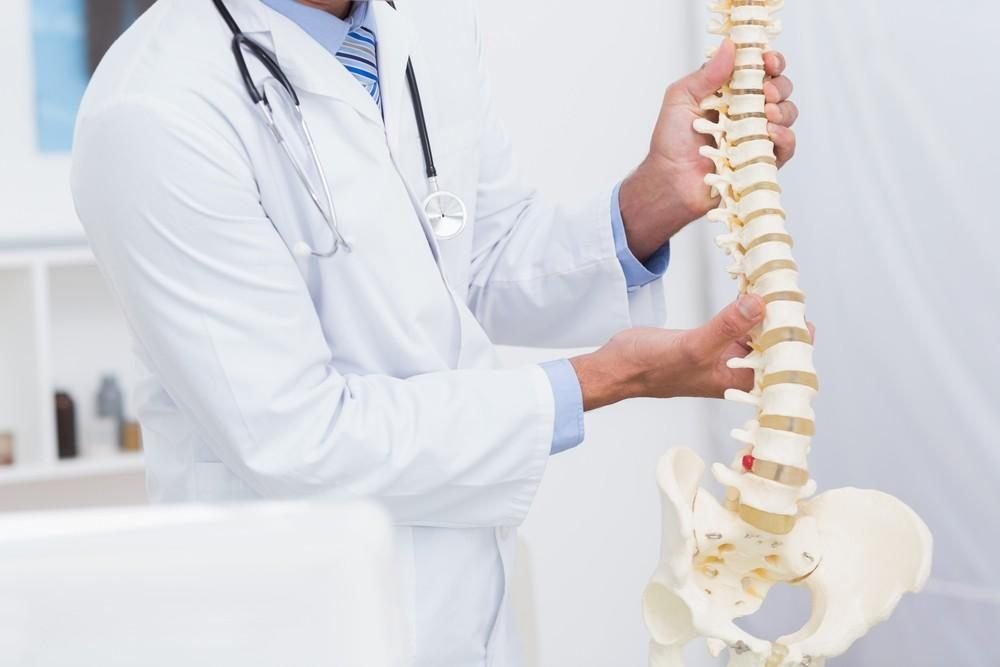
TYPES OF BONE DISEASES
The most common diseases or disorders that affect the bones are
Osteoporosis:
Osteoporosis, in which low density means the bones are brittle and weak and prone to easily break, is by far the most common bone disease. It currently affects 44 million – or approximately half of all aged 50 and older. Osteoporosis strikes more women than men, and even children may be at risk. It tends to be symptomless. That is, people with osteoporosis tend not to know they have it.

Paget’s Disease: This is a bone disorder where the bone renewal process (remodeling) occurs too quickly, leading to bone deformities (soft, enlarged bones such as of the spine, pelvis, skull, and the long bones of the thighs and lower leg). Paget’s disease tends to occur in adults over the age of 55.
Osteonecrosis: Without blood, bone tissue dies, a disease called osteonecrosis. In most cases, it occurs as the result of trauma to the bone that disrupts blood flow to the bone. Once the bone tissue dies, the bone weakens and collapses. Pain that gradually gets worse may indicate osteonecrosis.
Bone Tumors: Bone tumors occur when the uncontrolled growth of cells occurs inside bone.
Rheumatoid Arthritis: Rheumatoid arthritis is a chronic, immunodeficiency disorder in which the immune system mistakenly attacks the body’s tissues, such as the joints in the hands and feet.
Gout: The joints are unusually affected in people who develop gout, a common disorder in which excess uric acid crystals accumulate in the joints, causing abnormal swelling, pain, and redness. Gout may occur due to your diet, or if your kidneys are not properly processing uric acid.

CAUSES OF BONE DISEASES
Trauma/Injury
Obesity
Cigarette smoking
A sudden blood clot, damage, and inflammation
A lack of the proper amount of calcium leads to weak and soft bones.
Vitamin D is absorbed from food or produced by the skin when exposed to sunlight. Lack of vitamin D produced by the skin may occur in people who:
Live in climates with little exposure to sunlight
Must stay indoors
Work indoors during the daylight hours
Wear clothes that cover most of their skin
Have dark skin pigmentation
Use very strong sunscreen
SIGNS AND SYMPTOMS OF BONE DISEASES
Bone pain.
Swelling near the affected area.
Fatigue.
Unintended weight loss.
itching
Joint pain
Joint swelling
Joint stiffness
Limping
Anemia
Fever
Pain that affects the low back, buttocks, and thighs
Pain in the neck that may radiate to the arms and hand
Weakness in the leg muscles

HEALTH TIPS TO PREVENT BONE DISEASES
There are many things people can do to promote healthy bones.
These include:
Having a diet rich in vitamin D
Getting a healthy amount of sunshine
Reducing alcohol intake
Stopping smoking
Exercising regularly
Maintaining a healthy weight.

We have proven purely organic products that helps in making your bones very strong and repairs any damages on your bone. This Products are made from fruit and vegetables, juiced with technology and are good for our body and bones safety. They help boost our immune system and make it strong to fight against any dise
For any enquiry, advice and how to get our products, call the health and wellness experts/specialists on 0547489948


 SIMCEL ONLINE